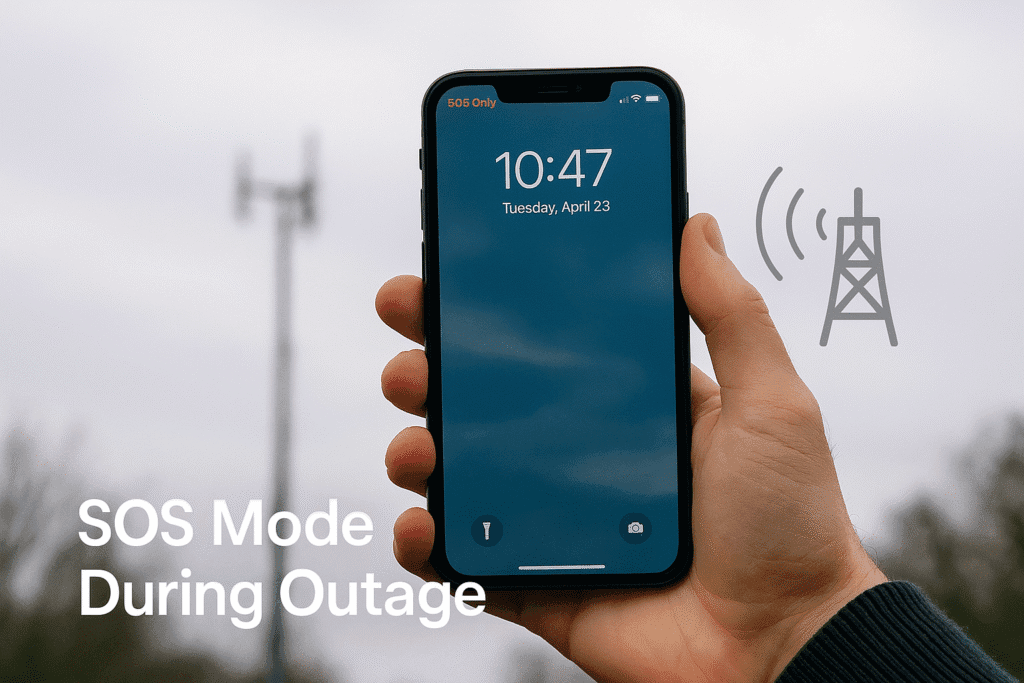
Verizon Outage – Causes, Impact, and Solutions

Being connected is now a need rather than a luxury in today’s digital world. A dependable network is essential whether you are streaming media, operating an online business, working from home, or making phone calls to family members. One of the biggest telecom companies in the US, Verizon, is well-known for its speed and dependability. It does, however, occasionally encounter disruptions, just like any other large network. Millions of Verizon customers who use its TV, internet, and mobile services may be impacted by an outage.
It’s critical to comprehend the reasons behind outages, how to monitor them, and what to do when there is a disruption. In this blog post, we’ll look at:
By the end, you will have the skills and information necessary to deal with network outages.
There are several reasons why a Verizon outage may occur. Despite Verizon’s strong infrastructure, any system can experience interruptions. Among the most common causes are:
In order to deliver faster and more dependable services, telecom companies are always updating their systems. Network slowdowns or brief Fios outages are occasionally caused by planned maintenance. Though not always, these disruptions are typically brief and pre-announced.
Fibre cables, cell towers, and electrical grids can sustain damage from storms, hurricanes, or heavy snowfall. One of the main causes of unexpected Verizon Fios outages in various locations is still natural disasters.
Because Verizon Fios relies on fibre technology, any unintentional cable cut or construction damage could cause a widespread Fios outage that affects entire cities or neighbourhoods.
Bugs can occur in even the most sophisticated systems. Verizon outages may be reported nationwide as a result of service interruptions caused by a software issue with the company’s servers or routers.
Cell towers and Fios infrastructure are affected when a regional power grid fails. Even with backup systems, Verizon may experience downtime due to extended outages.
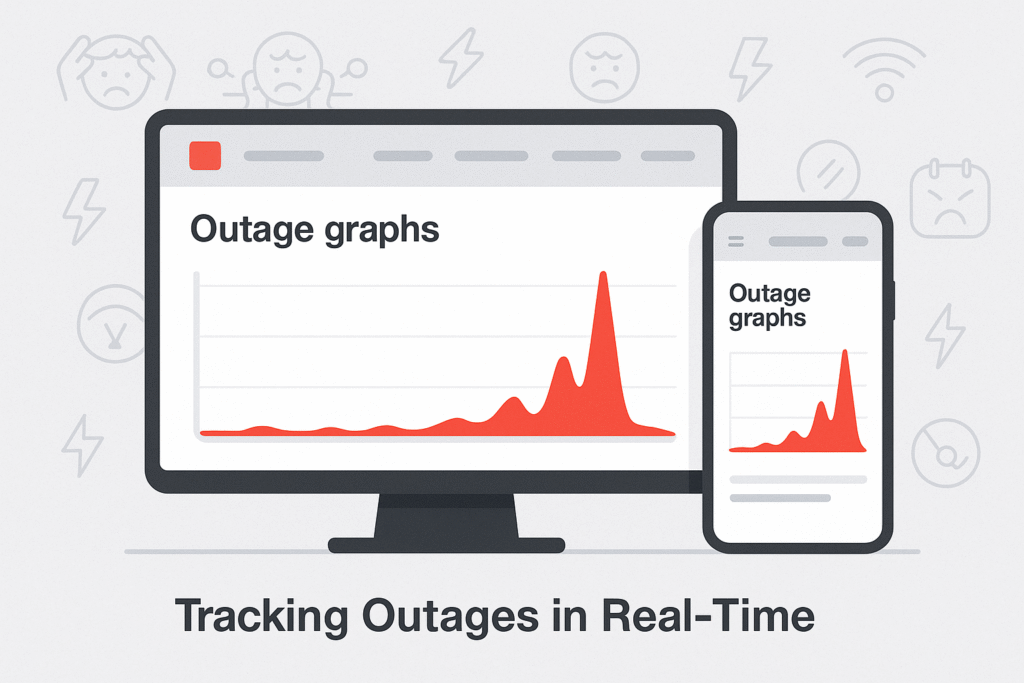
Verizon Downdetector is one of the first tools users use when they experience connectivity problems. This platform provides real-time insights into whether a service disruption is isolated or widespread.
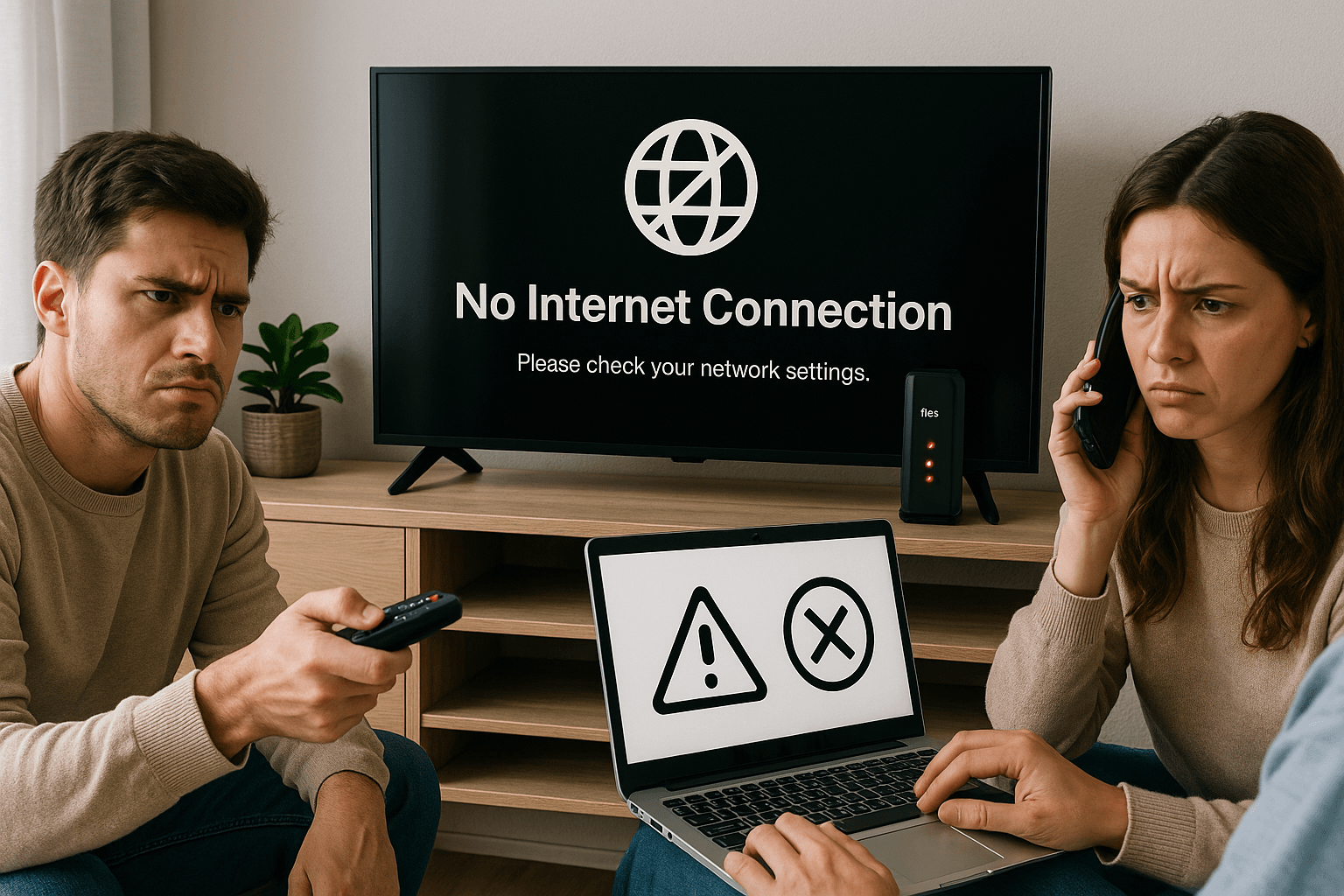
Verizon Fios outages are the most frequently reported problem among Verizon customers. Downtime can impact the following because millions of people depend on Verizon Fios for phone, TV, and internet services:
Verizon had a widespread outage throughout the East Coast at the beginning of 2021. With Downdetector displaying peak outage spikes, thousands of people reported internet and mobile disruptions. This demonstrated how reliant on dependable telecom infrastructure modern life has become.
Many customers also complain about their Verizon phone line going down in addition to internet services. The causes may differ from those of Fios outages:
For households that depend on landlines for emergency calls, a Verizon phone line outage is particularly important.
Here are some doable actions to take before contacting support if you’re stuck in a Verizon or Fios outage:
Outages can occur without warning, even with preparation. Here are some tips for remaining online:
In today’s digital infrastructure, a Verizon outage is annoying but not unusual. Being ready is crucial, regardless of whether there is a Verizon Fios outage, a temporary Fios outage in your area, or even a situation where your Verizon phone line is down.
Real-time insights are provided by tools like Verizon Downdetector, and quick troubleshooting techniques speed up connectivity restoration. We will go into greater detail about Verizon’s official outage response systems, Downdetector reporting, and customer experiences in the following section.
Being connected is now a need rather than a luxury in today’s digital world. A dependable network is essential whether you are streaming media, operating an online business, working from home, or making phone calls to family members. One of the biggest telecom companies in the US, Verizon, is well-known for its speed and dependability. It does, however, occasionally encounter disruptions, just like any other large network. Millions of Verizon customers who use its TV, internet, and mobile services may be impacted by an outage.
It’s critical to comprehend the reasons behind outages, how to monitor them, and what to do when there is a disruption. In this blog post, we’ll look at:
By the end, you will have the skills and information necessary to deal with network outages.
There are several reasons why a Verizon outage may occur. Despite Verizon’s strong infrastructure, any system can experience interruptions. Among the most common causes are:
In order to deliver faster and more dependable services, telecom companies are always updating their systems. Network slowdowns or brief Fios outages are occasionally caused by planned maintenance. Though not always, these disruptions are typically brief and pre-announced.
Fibre cables, cell towers, and electrical grids can sustain damage from storms, hurricanes, or heavy snowfall. One of the main causes of unexpected Verizon Fios outages in various locations is still natural disasters.
Because Verizon Fios relies on fibre technology, any unintentional cable cut or construction damage could cause a widespread Fios outage that affects entire cities or neighbourhoods.
Bugs can occur in even the most sophisticated systems. Verizon outages may be reported nationwide as a result of service interruptions caused by a software issue with the company’s servers or routers.
Cell towers and Fios infrastructure are affected when a regional power grid fails. Even with backup systems, Verizon may experience downtime due to extended outages.
Verizon Downdetector is one of the first tools users use when they experience connectivity problems. This platform offers up-to-date information on whether a service outage is localised or widespread.
Verizon Fios outages are the most frequently reported problem among Verizon customers. Downtime can impact the following because millions of people depend on Verizon Fios for phone, TV, and internet services:
Verizon had a widespread outage throughout the East Coast at the beginning of 2021. With Downdetector displaying peak outage spikes, thousands of people reported internet and mobile disruptions. This demonstrated how reliant on dependable telecom infrastructure modern life has become.
Many customers also complain about their Verizon phone line going down in addition to internet services. The causes may differ from those of Fios outages:
For households that depend on landlines for emergency calls, a Verizon phone line outage is particularly important.
Here are some doable actions to take before contacting support if you’re stuck in a Verizon or Fios outage:
The problem can occasionally be local. Many minor issues can be resolved with a quick restart.
Verify whether other people in your neighbourhood are having the same issue.
Make sure the cables for your phone line, modem, and router are plugged in and powered on.
For important tasks, temporarily use your mobile hotspot if the internet is unavailable.
Use Verizon’s official website or helpline to report a phone line outage that lasts for hours.
Outages can occur without warning, even with preparation. Here are some tips for remaining online:
In today’s digital infrastructure, a Verizon outage is annoying but not unusual. Being ready is crucial, regardless of whether there is a Verizon Fios outage, a temporary Fios outage in your area, or even a situation where your Verizon phone line is down.
Real-time insights are provided by tools like Verizon Downdetector, and quick troubleshooting techniques speed up connectivity restoration. We will go into greater detail about Verizon’s official outage response systems, Downdetector reporting, and customer experiences in the following section.
We looked at the typical reasons for Verizon outages, the reasons behind Verizon Fios outages, and how customers can quickly verify problems with the help of tools like Verizon Downdetector. This section will go into greater detail about:
A comprehensive picture of outage management can be created by taking into account both the provider’s response and the customer’s viewpoint.
The effects of a Verizon outage are abrupt and upsetting. Because these outages impact many facets of daily life, customers frequently express frustration:
Verizon Downdetector is among the most helpful resources during a Verizon outage. Consumers rely on it more and more for clarity.
Suppose your Verizon Fios suddenly goes down while you’re working on a project. You check Verizon Downdetector rather than putting yourself on hold with customer service. You can see that thousands of people in the vicinity reported problems in a matter of seconds. You now know that a larger Fios outage is the cause of the issue rather than your router.
This instant confirmation eases your anxiety and assists you in determining whether to wait or look for other options.
Verizon offers its own official communication channels in addition to Downdetector, a third-party tool. When Verizon experiences an outage, they usually react as follows:
Customers can check if there is a Verizon Fios outage in their area by entering their ZIP code on Verizon’s support page.
Verizon may notify impacted users via email or text message in severe situations.
Outages, estimated resolution times, and troubleshooting advice are frequently posted on Verizon’s Twitter support page.
Users with a Verizon phone line down can contact support via mobile app, online chat, or alternate numbers.
Thousands of Verizon customers on the East Coast complained about interruptions in January 2021. Major cities experienced internet and mobile service outages, according to the surge in Verizon Downdetector reports. Remote workers were offline for hours, and businesses reported losses. Verizon verified that a fibre cut brought on by construction damage was the cause.
Extreme weather caused a number of local Fios outages in 2022. Recurrent disruptions were brought on by hurricanes in Florida and severe snowstorms in the Northeast. Verizon collaborated with local authorities to promptly restore service, but during the waiting period, users mainly relied on Downdetector for updates.
A Verizon phone line outage can be just as problematic as an internet outage, which receives the most attention. Landline services are especially important for:
Customers can expedite the process by reporting the outage online, but Verizon usually dispatches technicians to fix local lines.
Here’s how to let Verizon know if you’re experiencing a Fios or Verizon outage:
Customers use the following tactics when there is a Verizon outage:
Customers also frequently enquire about Verizon’s outage compensation.
However, reporting your experience helps ensure accountability, particularly if your Verizon phone line was down.
This section covered Verizon’s official response to a Verizon outage, how customers experience outages, and the benefits of Verizon Downdetector. We also discussed how customers can report and handle disruptions, as well as the crucial topic of Verizon phone lines going down.
Any large network will eventually experience outages, but being aware of how to confirm, report, and react will keep you informed and ready.
We have now examined the reasons behind a Verizon outage as well as how users encounter and report them. This last section will cover Verizon’s efforts to minimise downtime, what users can do to be ready, and the role of technology in ensuring network reliability in the future.
We’ll cover:
For businesses, even a brief Verizon outage can lead to lost sales, irate customers, and decreased productivity. A Fios outage or mobile disruption may last for minutes or hours. In a similar vein, people who depend on landlines for emergencies or the internet for remote work cannot afford prolonged outages.
As a result, readiness and prevention are equally as crucial as troubleshooting.
Changing to a different internet provider during a Verizon Fios outage can reduce interruption. Among the options are:
Occasionally, what appears to be a Verizon outage is actually a problem with the power supply. Clients can get ready with:
VoIP services (Skype, Google Voice, Zoom Phone) are options if your Verizon phone line is down.
Downtime brought on by a Fios outage is particularly expensive for businesses. For this reason, big businesses frequently:
This guarantees that operations will continue with little disruption even in the event of a Verizon outage.
Verizon makes significant investments in infrastructure improvements to ensure that mobile disruptions and Fios outages are infrequent. Among the tactics are:
Even though fibre networks are very dependable, downtime can still occur due to weather or construction damage. Verizon is building redundant fiber paths so a single break doesn’t result in a full Verizon Fios outage.
AI-powered advanced monitoring tools can identify faulty hardware or weak signals before they result in a Verizon outage. Verizon is able to prevent problems by using predictive analytics.
Customers now have an additional fallback option in case of Fios outages as Verizon rolls out 5G home internet. Downtime could be completely eliminated with a smooth transition from wired Fios to wireless 5G.
Verizon uses specialised response teams equipped with mobile cell towers and backup equipment to expedite service restoration during storms and other natural disasters.
Although Verizon Downdetector is already a commonplace tool, outage tracking will get even more intelligent in the future.
This development will improve the speed and dependability of tracking a Verizon outage.
It’s crucial to adhere to best practices when dealing with a Verizon phone line outage:
It is highly advised to have a backup cell phone for elderly clients or those who live in remote locations.
Verizon Fios is frequently regarded as one of the most dependable fibre networks in the United States, despite the fact that Fios outages do occur. According to independent research, Fios experiences fewer outages than cable companies. However, severe weather and construction remain common causes.
These actions all suggest that Fios outages will become less frequent in the future.
Verizon outages might still happen in the future, but improvements will significantly increase dependability:
Customers should expect less disruption and greater transparency in the future.
In this section, we examined Verizon’s continuous efforts to lower phone line outages and Fios outages, as well as prevention tactics and customer backup options. We also looked at how future developments in tools like Verizon Downdetector will help users stay informed.
Verizon’s network investments and customer readiness will make future outages less disruptive and easier to handle, even though no provider can promise 100% uptime.